Every company here had the idea first. Someone else got rich on it.
Found and Failed makes 12 to 15 minute documentaries about why famous companies fail. Each case file sets the company that died beside the one that won with its idea.
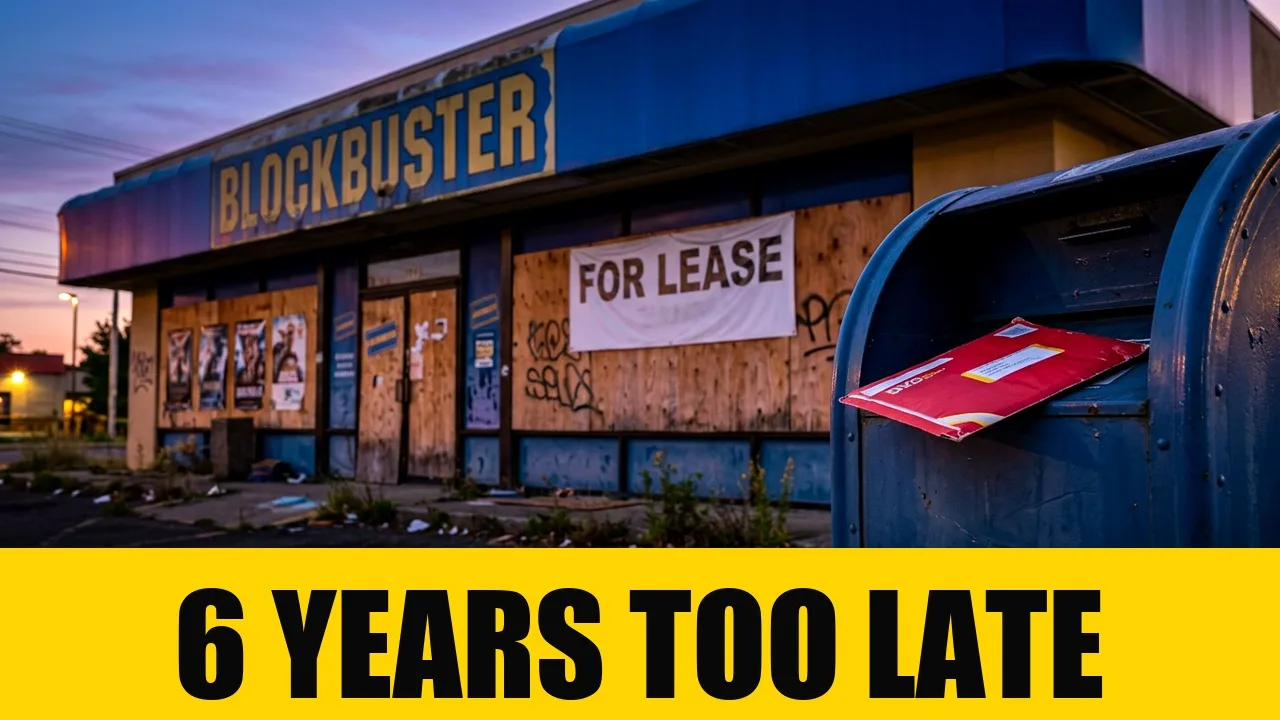
Blockbuster failed because the new idea, movies by mail with no store, threatened the stores and late fees that paid for everything. It built its own version and ended late fees in 2005, but its biggest investor attacked the cost and it pulled back. It filed for Chapter 11 in September 2010 with nearly $1 billion of debt.
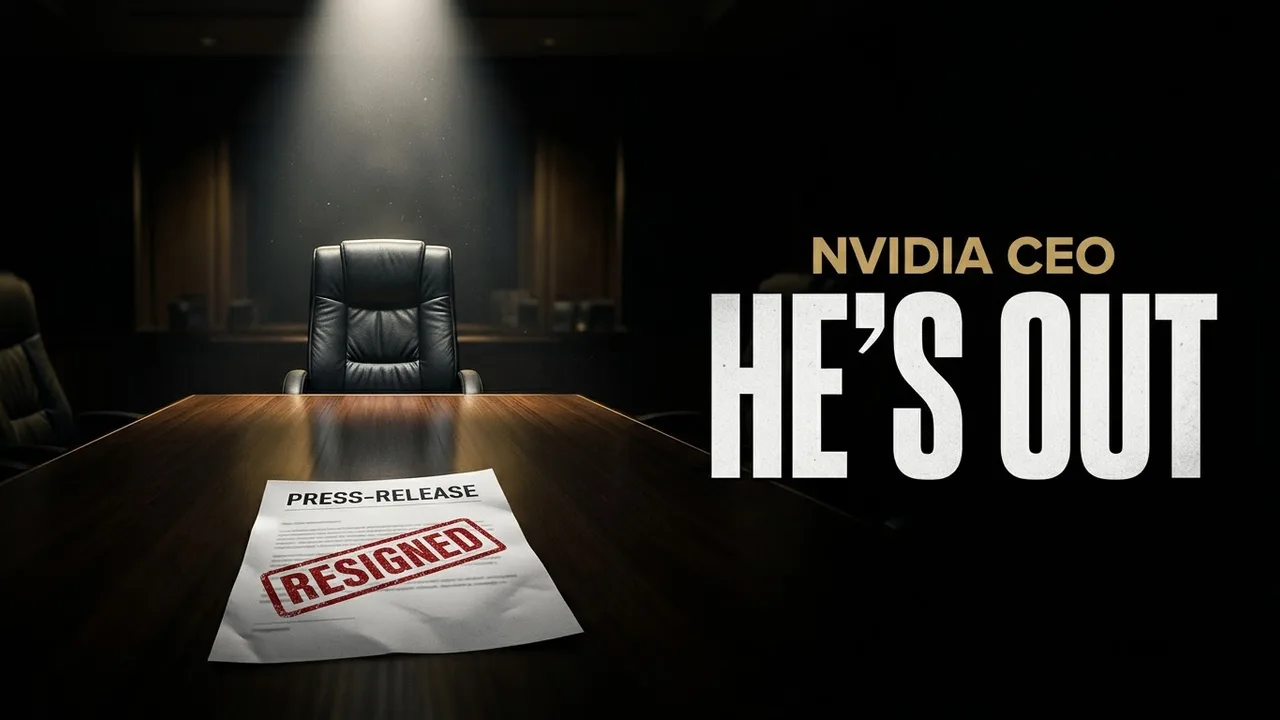
The documents do not say. Nvidia's November 12, 2026 release and its SEC filing state that Jensen Huang resigned as president, chief executive and board member, effective immediately, and give no reason. Four days earlier, the board had opened an investigation after reporting that he was the target of a foreign intelligence effort.
MoviePass failed because it charged $9.95 a month for a movie a day and paid the theater full price for every ticket, when the average ticket in 2018 cost $9.11. By May 2018 it was spending $40 million a month more than it took in. The service shut down on September 14, 2019.
Quibi failed because it charged a subscription for premium phone-only shows that viewers could not share, and it launched on April 6, 2020, with most of America at home. It raised $1.75 billion, paid up to $100,000 a minute for its shows, and announced it was shutting down on October 21, 2020, about six months later.
Vine shut down because Twitter never gave it, or its stars, a way to earn money. Twitter bought the three-person app in October 2012, before launch. By January 2016, 200 million people watched Vine videos each month, yet Vine had no ad product. Twitter turned down its top creators in late 2015 and announced the shutdown on October 27, 2016.
Every number, date and quote in an episode is traced to at least two independent sources in a fact-check file before the script is locked. These pages are built from that file. When a figure has only one source, the page drops it rather than guess.